Game On for Everyone: City Courts Without Barriers

Today we’re exploring accessible city tennis courts with wheelchair-friendly surfaces and facilities, transforming public parks into places where spin, speed, and strategy are available to every body. We’ll unpack surface choices, approach routes, amenities, programming, and upkeep, while sharing stories from players and coaches. If you care about play that welcomes all, you’ll find practical ideas you can champion, measurable standards to request, and inspiring examples to borrow for your neighborhood courts.

Surfaces That Roll Smoothly and Play Fair
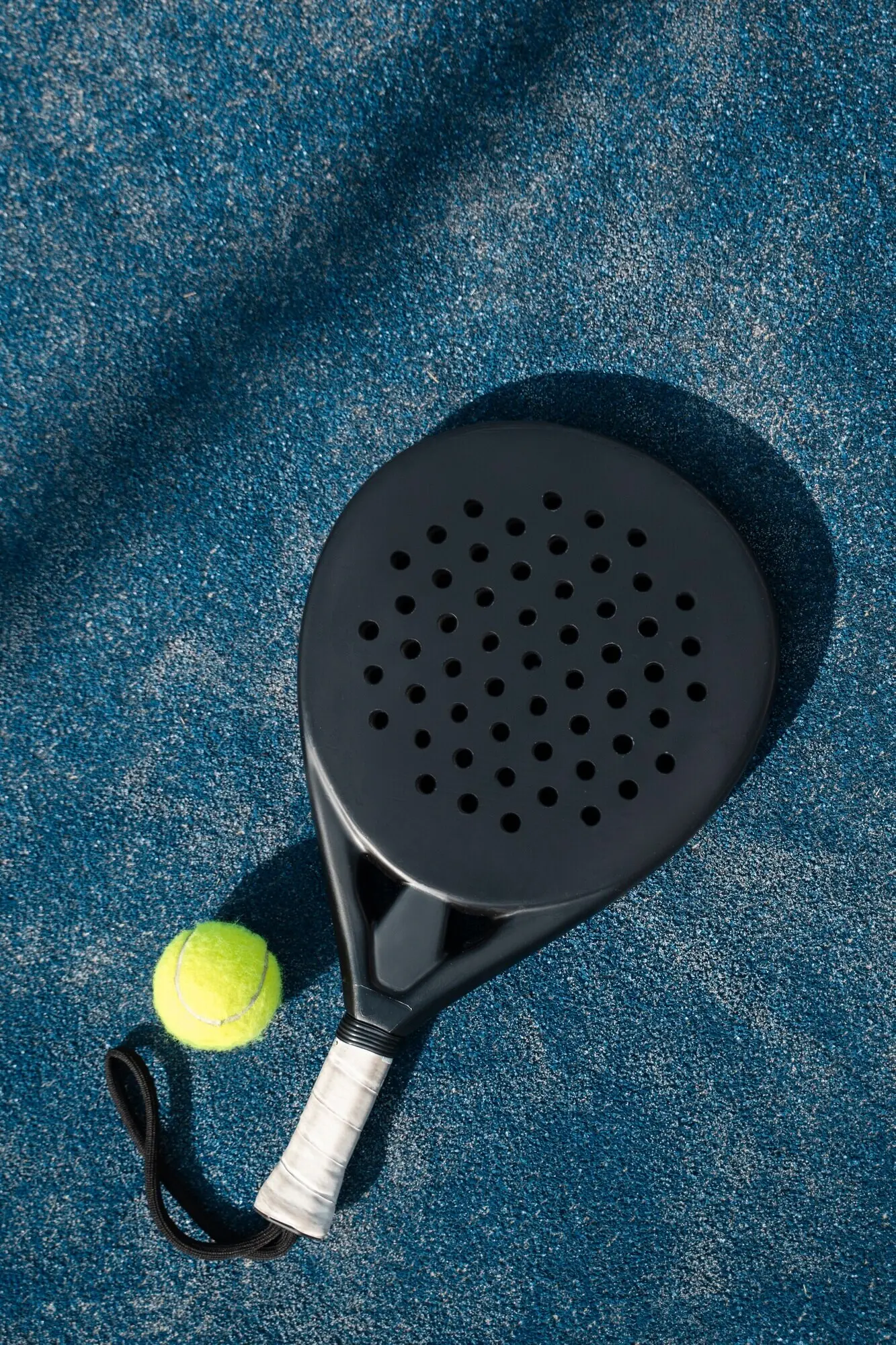
A great rally depends on predictable bounce, stable traction, and effortless rolling for sports wheelchairs. Thoughtful hardcourt systems balance texture for grip with low rolling resistance, while keeping cross-slope gentle for shoulder comfort. Color choices reduce glare, layered cushioning reduces repetitive strain, and consistent finishes prevent caster chatter. We’ll look at decisions that keep pace lively, spins readable, and maneuvering safe, so players can focus on shot selection rather than surface surprises.

Accessible Paths That Feel Natural

Direct, shaded paths with firm, even surfaces invite participation. Avoid steep pitches that sap energy before warmup. Wayfinding should be readable from chair level, with clear sightlines to entrances. Tactile cues near intersections help orientation. Consider crosswalk timing and curb radii so crossings are not rushed. Benches placed along the route support pacing. When approach paths align with how people actually move, arrivals feel dignified, unhurried, and part of the same seamless experience as match play.

Gates, Clearances, and Thresholds

Wide gates that open smoothly, latch softly, and stay open when needed eliminate awkward negotiations with frames and bags. Clear widths around thirty-six inches or more accommodate sports chairs with cambered wheels. Thresholds should be flush to prevent caster hang-ups and shoulder jolts. Inside, generous corners and at least five feet of turning space make transitions graceful. Consistent surface transitions prevent surprise bumps. Thoughtful details at the fence line set the tone for confident movement throughout the court area.

Restrooms and Changing with Dignity

Generous turning circles, grab bars placed for effective leverage, and transfer-friendly benches reduce strain and uncertainty. Sinks, dryers, and dispensers at reachable heights respect independence. Non-slip flooring and well-placed hooks protect gear. Family or all-gender rooms support assistance without awkwardness. Doors that open easily and lock reliably reduce stress. Clear signage and lighting improve wayfinding. When facilities embrace dignity, players arrive calm, conserve energy, and carry that confidence straight onto the baseline and into tighter, braver shot choices.

Storage and Equipment Friendly Spaces

Sports wheelchairs, spare casters, and stringing tools need secure, convenient storage. Provide wide bays with low hooks, labeled bins, and charging shelves. Keep aisles uncluttered to prevent snags on cambered wheels. Maintenance stations with pumps, hex keys, and rags save sessions derailed by loose axles or underinflated tires. A small repair bench near the courts fosters community problem-solving. When gear lives close to the action, setup is swift and morale high, particularly for beginners testing new equipment.

Power and Hydration Access

Multiple charging points near seating and storage areas keep power chairs and devices ready for long events and clinics. Weather-protected outlets and cable management reduce tripping hazards. Bottle fillers at varied heights shorten breaks and encourage frequent hydration. Consider cooling misters during heat waves to protect athletes and surfaces. Clear maintenance schedules ensure everything works when needed. Reliable utilities are invisible when perfect, yet vital for momentum, safety, and the steady rhythm that keeps a tennis day thriving.

Scheduling That Respects Different Paces

Dedicated hours, predictable weekly blocks, and instructors on-site reduce uncertainty and collisions with crowded open play. Spread opportunities across evenings and weekends, not just off-peak times. Match formats can include timed sets that balance endurance and fun. Clear signups with waitlist transparency build trust. Publish cancellations instantly. When time is respected, athletes plan training around family, work, and transport, showing up energized and ready to grow their game alongside supportive, reliable partners and friendly competitors.

Coaches Trained for Success

Coaching that understands chair movement, court positioning, and pushing efficiency transforms experiences. Instructors can learn to cue shoulder-safe techniques, adapt footwork drills to push sequences, and teach spin generation without overuse. Demonstrations from experienced wheelchair players accelerate learning and build credibility. Communication that centers autonomy and listens first creates psychological safety. When athletes feel seen and challenged appropriately, rallies lengthen, tactical awareness blooms, and the court becomes a classroom where ambition and belonging thrive together.

Equipment Access Lowers Barriers

Try-before-you-commit loaner chairs, adjustable straps, and different camber widths help newcomers discover comfortable setups. Grants and sliding-scale rentals make the first months affordable. Demo days with vendors turn complex choices into hands-on exploration. Provide balls with distinct colors for visibility and starter rackets with forgiving string patterns. Publish simple sizing guides and care tips. When equipment is approachable and accessible, curiosity becomes commitment, and the pathway from first push to weekly matches feels attainable and exciting.

Maintenance That Keeps Confidence High
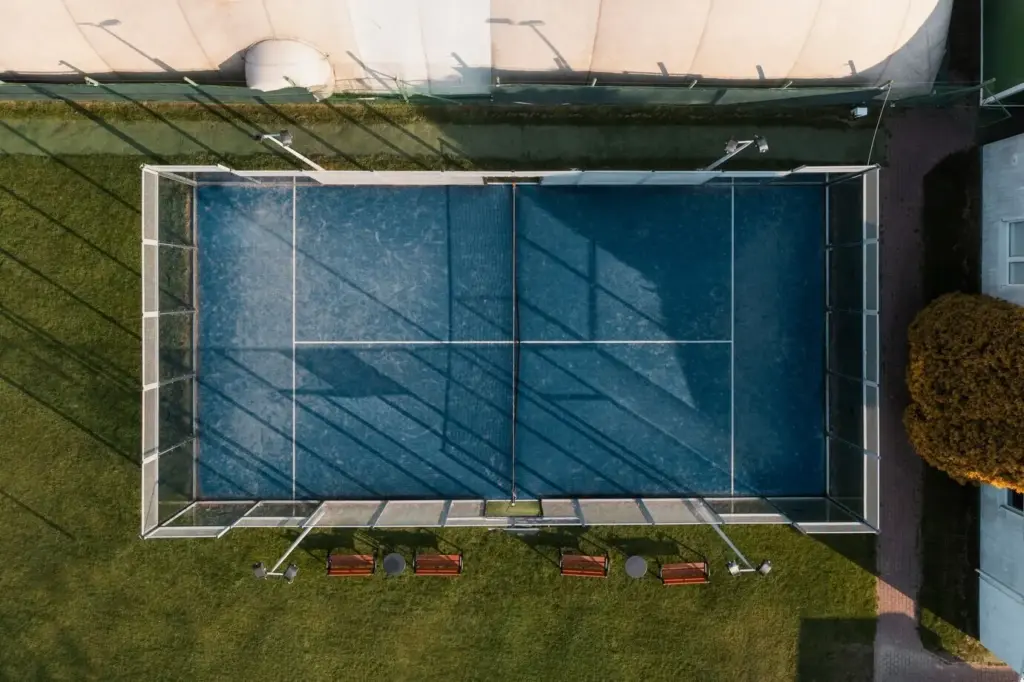
Reliability is a promise you renew weekly. Proactive inspections catch hairline cracks, raised edges, and fading lines before they erode trust. Leaf blowers, soft brooms, and quick-drying squeegees keep traction honest after storms. Seasonal resurfacing schedules and transparent posting of closures show respect. Feedback channels convert small annoyances into fast fixes. When every detail signals care, players push harder, invite friends, and view the courts as a dependable anchor for health, competition, and joyful neighborhood life.

Stories, Metrics, and Community Voice

Progress looks like smiles and numbers. Hear how an early-morning crew grew from two to twelve after path fixes and shade additions. Track court-hours, program retention, and first-time participant counts to guide investments. Share photos that highlight turning space, not just ribbon cuttings. Invite local media to cover tournaments featuring mixed doubles. Most importantly, keep listening sessions frequent. When communities see their fingerprints everywhere, accessible tennis becomes a habit, a tradition, and a joyful neighborhood signature.
Lorupoxefekopoti
Privacy Overview

This website uses cookies so that we can provide you with the best user experience possible. Cookie information is stored in your browser and performs functions such as recognising you when you return to our website and helping our team to understand which sections of the website you find most interesting and useful.